 Module Catalog →
Module Catalog →
Module Catalog →
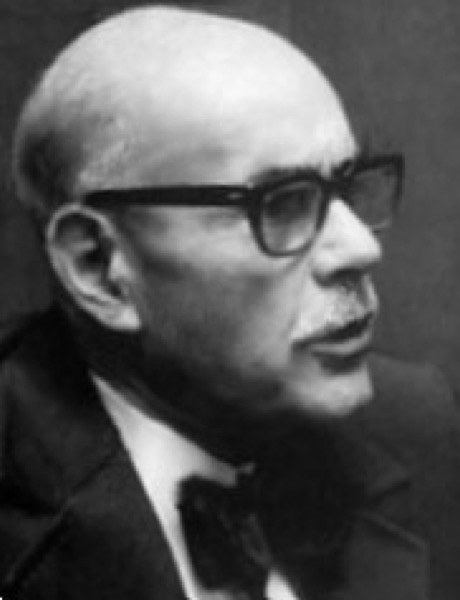
Individual learning and group dynamics; joint optimization of social and technical systems.
The Tavistock Institute of Human Relations (founded London, 1947) brought psychoanalysis to the study of work. Wilfred Bion (1897–1979) revealed the unconscious life of groups; Eric Trist (1909–1993) and Ken Bamforth discovered socio-technical systems in the Durham coalfields; Elliott Jaques (1917–2003) coined 'organizational culture' and developed requisite organization theory.
The Tavistock researchers showed that work systems are simultaneously social and technical — optimize one alone and both suffer. Bion's work on group dynamics revealed the unconscious life of teams.
The era: The Group Era — Leadership can be learned; leader–group relations. Not apart from the group but part of the group — any member can lead.
Individual learning and group dynamics; joint optimization of social and technical systems.
This theory sits in the The Group Era era of the map: Leadership can be learned; leader–group relations. Not apart from the group but part of the group — any member can lead.
Design the social and technical systems together — never optimize one alone.
Watch the group's unconscious life: dependency, fight-flight, pairing.