 Module Catalog →
Module Catalog →
Module Catalog →
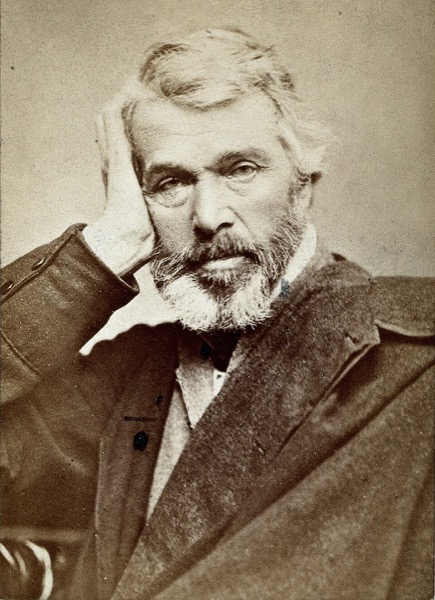
History is shaped by great men; leadership is innate.
Thomas Carlyle (1795–1881) was a Scottish essayist, historian, and social critic — one of the most influential voices of Victorian letters. His 1840 lecture series on heroes, delivered in London and published the following year, argued that 'the history of the world is but the biography of great men,' a claim the next century of leadership research would spend testing and dismantling.
Carlyle's 'On Heroes, Hero-Worship, and the Heroic in History' framed leadership as the province of extraordinary individuals — the Great Man view that dominated the discourse for half a century. Leadership was a single force: internal qualities of personality, body, and mind.
The era: The Great Man Era — A single force — internal qualities: personality, physical, and mental. Leaders are born.
History is shaped by great men; leadership is innate.
This theory sits in the The Great Man Era era of the map: A single force — internal qualities: personality, physical, and mental. Leaders are born.
Notice where your organization still waits for a hero — and what that waiting postpones.
Separate admiration for exceptional people from the belief that leadership cannot be developed.