 Module Catalog →
Module Catalog →
Module Catalog →
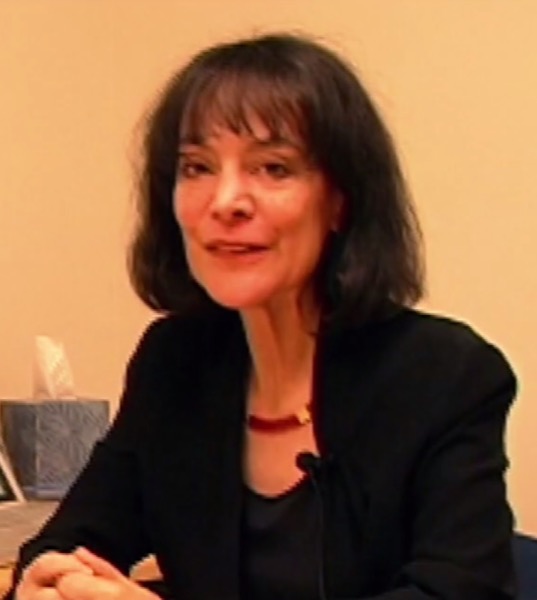
Fixed vs. growth mindset: beliefs about ability shape learning.
Carol S. Dweck (b. 1946), the Lewis and Virginia Eaton Professor of Psychology at Stanford, spent four decades studying why some people wilt at challenge while others grow. Her implicit-theories research — fixed versus growth mindset — moved from developmental psychology into schools, sports, and boardrooms, including studies of organizational 'cultures of genius.'
Dweck's decades of research showed that implicit beliefs about ability — fixed versus growth — shape how people respond to challenge and failure. In organizations, leader and culture mindsets cascade into risk-taking, feedback, and development.
The era: Distributed & Complex — Distributed, dispersed, interdependent, embedded in interaction; leadership as learning; global competencies; combine all theories.
Fixed vs. growth mindset: beliefs about ability shape learning.
Where this work feeds the Open Sky frameworks.
Fellow travelers on these threads:
Praise process and strategy, not innate talent.
Treat 'not yet' as a legitimate performance category.