 Module Catalog →
Module Catalog →
Module Catalog →
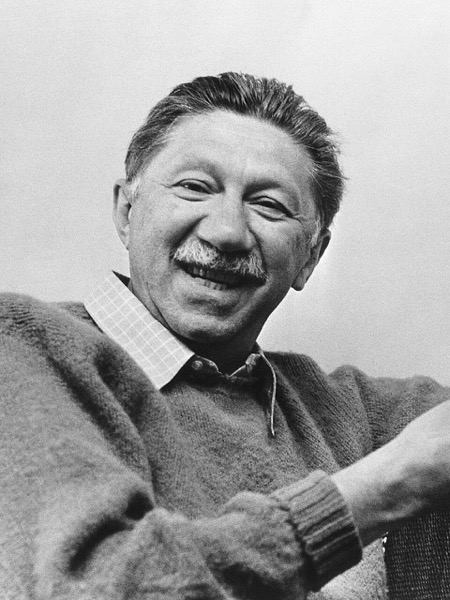
Human needs ascend from survival to self-actualization.
Abraham Maslow (1908–1970), born in Brooklyn to Russian-Jewish immigrants, taught at Brooklyn College and chaired psychology at Brandeis. A founder of humanistic psychology, he proposed the hierarchy of needs in 1943 and later studied 'eupsychian management' — workplaces organized to support self-actualization.
Maslow proposed that human motivation ascends a hierarchy — physiological, safety, belonging, esteem, self-actualization. Whatever its empirical fate, it permanently changed how leaders think about what people want from work.
The era: The Group Era — Leadership can be learned; leader–group relations. Not apart from the group but part of the group — any member can lead.
Human needs ascend from survival to self-actualization.
This theory sits in the The Group Era era of the map: Leadership can be learned; leader–group relations. Not apart from the group but part of the group — any member can lead.
Diagnose which needs your people are actually working to satisfy this quarter.
Design roles that reach beyond security toward meaning and growth.