 Module Catalog →
Module Catalog →
Module Catalog →
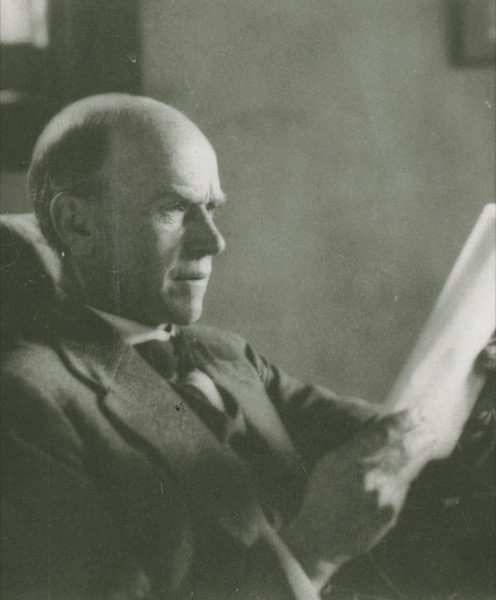
A kinder, gentler workplace; focus on building relationships.
Elton Mayo (1880–1949), an Australian-born psychologist at Harvard Business School, led the interpretation of the Hawthorne experiments at Western Electric (1924–1932) with Fritz Roethlisberger and William Dickson. Whatever the studies' methodological fate, his conclusion — that workplaces are social systems governed by sentiment and belonging — launched the human relations movement.
The Hawthorne studies revealed that attention, belonging, and informal group norms drive performance at least as much as pay or conditions. The human relations movement made the workplace a social system.
The era: Traits & Rank — Multiple forces — traits, nature of the group, and the event; leadership defined by organizational rank.
A kinder, gentler workplace; focus on building relationships.
This theory sits in the Traits & Rank era of the map: Multiple forces — traits, nature of the group, and the event; leadership defined by organizational rank.
Invest in belonging deliberately; informal norms outvote formal rules.
Assume attention itself changes performance — and use that consciously.