 Module Catalog →
Module Catalog →
Module Catalog →
A systematic process for understanding skills, abilities & attitudes.
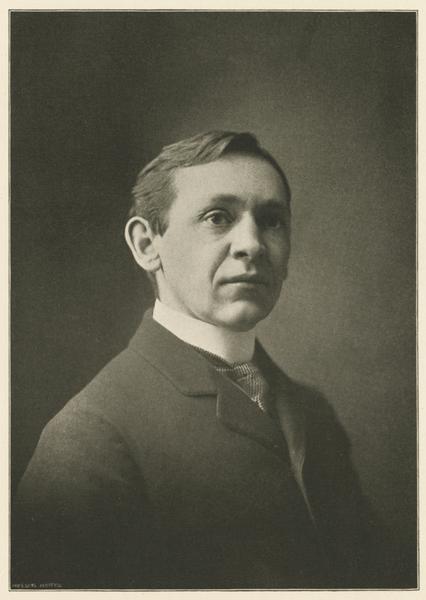
William Lowe Bryan (1860–1955), later the long-serving president of Indiana University, conducted with Noble Harter the first laboratory studies of skill acquisition — telegraphers' learning curves — opening work to psychological science. Hugo Münsterberg's Harvard program soon systematized the field as industrial psychology.
Industrial psychology brought systematic measurement to the workplace — skills, abilities, and attitudes could be studied, tested, and selected for. Work became a legitimate subject for psychological science.
The era: Time, Place & Circumstance — Leadership emerges as a result of time, place & circumstance; the number of great leaders is proportional to the number of conflicts engaged.
A systematic process for understanding skills, abilities & attitudes.
This theory sits in the Time, Place & Circumstance era of the map: Leadership emerges as a result of time, place & circumstance; the number of great leaders is proportional to the number of conflicts engaged.
Measure skills and attitudes before designing development.
Treat assessment as a hypothesis about a person, never a verdict.