 Module Catalog →
Module Catalog →
Module Catalog →
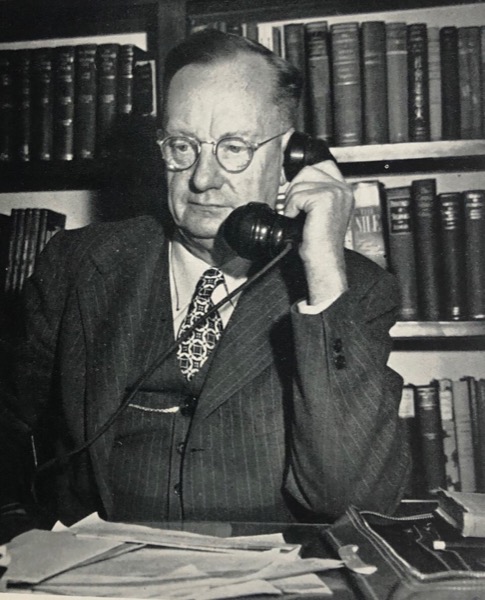
Leadership emerges from time, place & circumstance.
Eben Mumford, an early University of Chicago–trained sociologist, published the first sociological treatment of leadership's origins in the American Journal of Sociology. Emory S. Bogardus (1882–1973), founder of USC's sociology department and creator of the social distance scale, extended the environmental account: leaders are products of their social situations.
The environmental theorists broke with the Great Man view: leadership emerges as a result of time, place, and circumstance. The number of great leaders is proportional to the number of conflicts a society engages.
The era: Time, Place & Circumstance — Leadership emerges as a result of time, place & circumstance; the number of great leaders is proportional to the number of conflicts engaged.
Leadership emerges from time, place & circumstance.
This theory sits in the Time, Place & Circumstance era of the map: Leadership emerges as a result of time, place & circumstance; the number of great leaders is proportional to the number of conflicts engaged.
Map the circumstances — crises, transitions, vacuums — that are currently minting leaders around you.
Create stretch situations rather than waiting for talent to appear.