 Module Catalog →
Module Catalog →
Module Catalog →
Plan, organize, command, coordinate, and control.
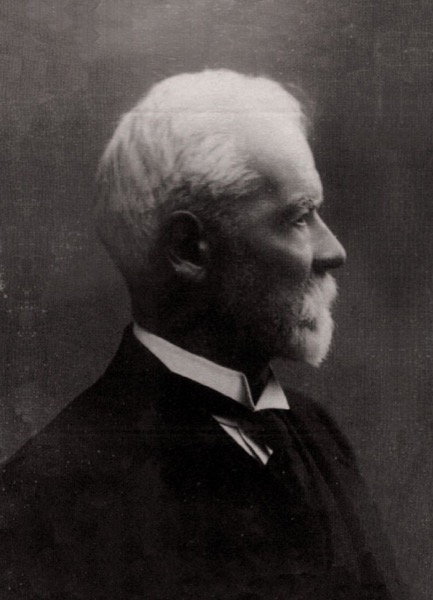
Henri Fayol (1841–1925) was a French mining engineer who spent his entire career with Commentry-Fourchambault, rescuing the vast combine as its managing director from 1888 to 1918. He distilled that experience into the first general theory of management — five functions and fourteen principles — insisting that administration was a teachable discipline distinct from technical work.
Fayol codified management as a discipline: five functions — plan, organize, command, coordinate, control — and fourteen principles. Management became something that could be taught, not just possessed.
The era: Time, Place & Circumstance — Leadership emerges as a result of time, place & circumstance; the number of great leaders is proportional to the number of conflicts engaged.
Plan, organize, command, coordinate, and control.
This theory sits in the Time, Place & Circumstance era of the map: Leadership emerges as a result of time, place & circumstance; the number of great leaders is proportional to the number of conflicts engaged.
Use the five functions as a completeness check on your management routines.
Distinguish managing the system from leading the people within it.