 Module Catalog →
Module Catalog →
Module Catalog →
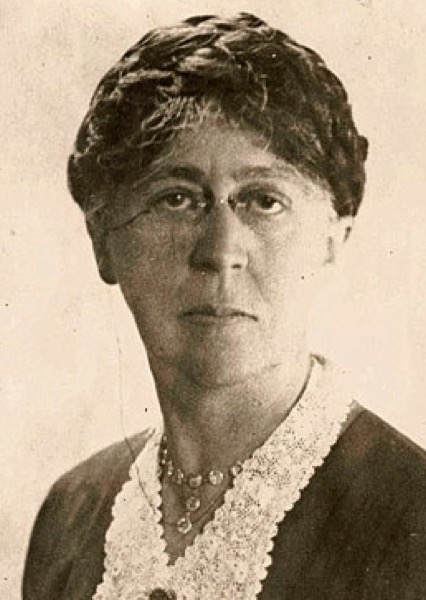
Let the situation, not the individual, determine the order.
Mary Parker Follett (1868–1933) trained at Radcliffe, ran community centers in Boston, and became a sought-after lecturer to business audiences in the 1920s. Peter Drucker later called her 'the prophet of management': her ideas on integration, power-with, and the law of the situation anticipated participative management, win-win negotiation, and paradox thinking by half a century.
Follett argued that orders should come from the law of the situation — what the work itself demands — not from personal authority. She wrote about power-with rather than power-over, integration over compromise, decades before the field caught up.
The era: Traits & Rank — Multiple forces — traits, nature of the group, and the event; leadership defined by organizational rank.
Let the situation, not the individual, determine the order.
Where this work feeds the Open Sky frameworks.
Fellow travelers on these threads:
In conflict, ask what the situation demands before asking who should win.
Seek integration — the third option satisfying both parties' real interests — before compromise.