 Module Catalog →
Module Catalog →
Module Catalog →
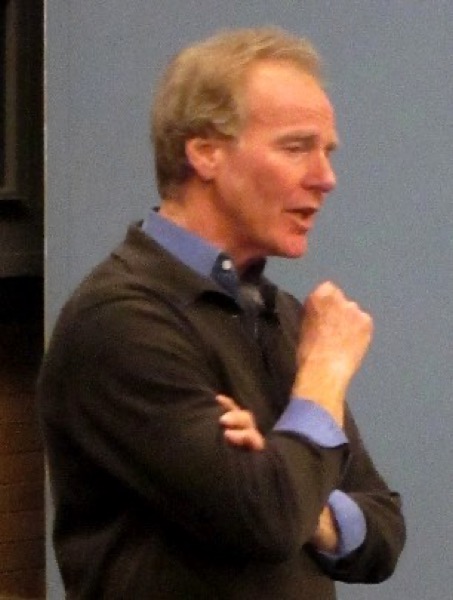
Perceive whole systems and interrelationships; the learning organization.
Peter Senge (b. 1947), senior lecturer at MIT Sloan and founding chair of the Society for Organizational Learning, translated Jay Forrester's system dynamics into a management philosophy. The Fifth Discipline sold millions and made 'the learning organization' the aspiration of a generation; Harvard Business Review named it one of the seminal management books of the prior 75 years.
Senge popularized system dynamics for managers: five disciplines — personal mastery, mental models, shared vision, team learning, systems thinking — converging in the learning organization.
The era: Dynamic Interaction — A dynamic, interactive influence process among individuals in groups; emphasis on managing environmental cross points.
Perceive whole systems and interrelationships; the learning organization.
Where this work feeds the Open Sky frameworks.
Fellow travelers on these threads:
Find the leverage point; resist symptomatic fixes that shift the burden.
Practice the five disciplines as a team, not a poster.